MyRoots講故事: 住在安第斯山的動物 MyRoots Story, the Andean Animals
自古以來,我的秘魯祖先不單只栽培植物,致力增加農作物的營養和收成,他們還依靠當地獨有的動物來幫助自己。秘魯農民以愛、智慧和尊重與大自然共處,沒有開山闢石,而是依著自然原有生態,適時適地與大自然協調,孕育植物的根,生生不息的延續着,造就秘魯的農業文明及開發出超級食物。作為世界其中一個超級生物多樣性的國家,秘魯人重視人與天地間的和諧多於一切。我們相信保存農作物及動物的野生特性,乃生物多樣性重要的一環,而這些動物在生物多樣性中擔當重要角色。簡單來說,生物多樣性是維護生態平衡"指所有不同種類的生命,生活在一個地球上,其相互交替、影響令地球生態得到平衡"。
我會為大家介紹其中三種南美駱駝,他們從數千年以前已經開始被馴化,但實際上仍保留其野生的特性,而且幫助秘魯成為重要農業國家。
Ancient Peruvians did not only domesticate and improve the yield and nutrition of their crops, but they also worked diligently on the animals they had at their disposal. Without extensive arable land in Peru, my ancestors, through the respectful collaboration between nature and the roots, had developed the greatest agricultural civilization and nutrient-dense superfoods. As one of the world’s 12 magadiverse countries, Peruvians respect the harmony between men and land, in preserving the wild relatives of crops and animals to make biodiversity survive and sustain. Biodiversity generally “refers to the variety and variability of life on Earth. According to the United Nations Environment Programme (UNEP), biodiversity typically measures variation at the genetic, species, and ecosystem level”. I am going to introduce three groups of South American Camelids. They were domesticated under gradual process from thousands of years ago, but they all preserve the unique wild relatives, in making Peru an important agricultural nation.
大羊駝LLAMA
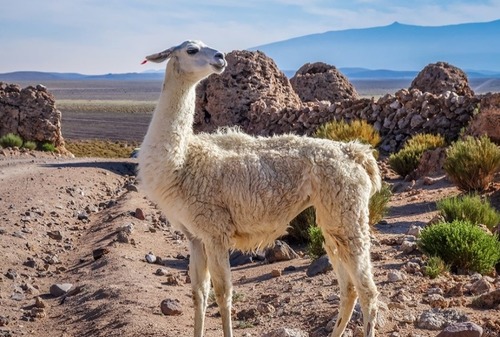
大羊駝跟羊有點相似,其實牠們屬於駱駝科。大羊駝身高約1.7米,重130-200公斤。 牠們很聰明,而且腳力非凡,能在安第斯山高原的斜路和梯田到處游走。 牠們另一強項是能承載牠們身體30%重量的物件。 我的祖先在6千年前開始挑選了羊駝來馴化及繁殖,教牠們聽從指令,學習運送物資,有時牠們的肉也會被製成羊駝乾給人類充飢。
The Llama looks similar to sheep, is at 1.7M tall and weighs between 130-200kg. Llama was domesticated over 6,000 years. They were bred for their strength (to carry loads up to 30% of their body weight), their sure footing (which allowed them to navigate the steep terrain of the Andes), their wool (that was used to weave and make all types of everyday garments), for their meat (that was dried and used as a supplement to the Andean diet) and their intelligence, as they can learn simple tasks and obey voice commands.
小羊駝ALPACA
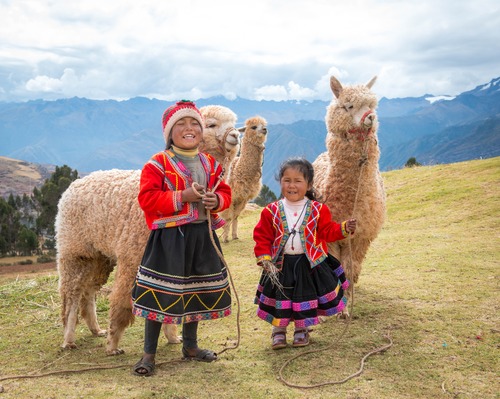
小羊駝體積比大羊駝細小, 身高約81-99CM,重70-90KG。 牠們皮毛柔軟,所以當地原住民特別把牠們配種繁殖至52種不同毛色,利用羊駝毛製造毛衣。 小羊駝聰明伶俐,懂得聽從簡單指令及以身體語言溝通,而且又有強烈的領土保護意識,當地人喜歡把牠飼養為「看門狗」。
The Alpaca is smaller than the llama, around 81cm to 99cm height & 70-90kg. It was domesticated and bred mainly for its wool which is of finer quality than llamas and has been bred to produce 52 different colours. Alpacas are also very intelligent and learn simple commands, they also communicate with very strong body signals. Alpacas are territorial so they were bred be used as “guard dogs” for herds.
駱馬Vicuña
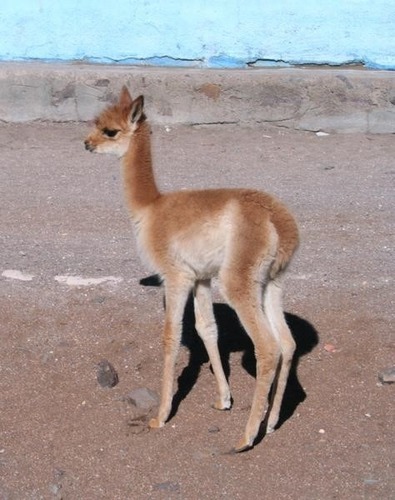
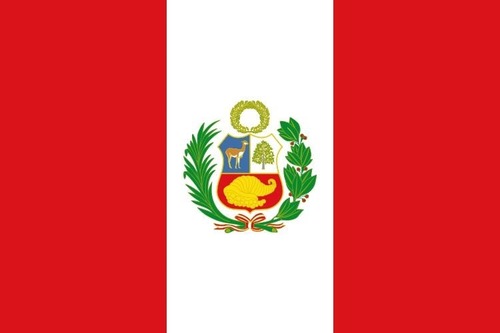
駱馬比小羊駝體型更小。 牠們是很害羞的動物,有靈敏的耳朵,所以警覺性很高。 牠們的毛非常柔軟,遠久以前印加人及皇室貴族一直用駱馬毛造成上等毛衣。 駱馬毛是其中一種世界上最柔軟、最纖細的毛之一。 有名的Cashmere及Angora羊毛是14-19微米,駱馬毛比它們更幼,直徑只有12微米。一條駱馬毛頸巾可以價值1500美元,一件外套便可以貴至20,000美元。 駱馬以前曾經常被當作祭品或供品。 牠們更是民族象徵之一,秘魯國旗便有駱馬圖像。
The Vicuña is smaller than the Alpaca. They are very shy animals, and are easily aroused by intruders, due to their extraordinary hearing. It was bred exclusively for it’s extremely fine wool. This wool was used to produce wool for garments only to be used by the Incas and the royal family. The wool is one of the finest in the world with a diameter of 12 μm, which is comparable to the Angora wool and much finer than Cashmere wool that measures between 14 to 19 μm. A vicuña scarf costs around US$1,500, a sports coat made of vicuña wool can cost US$20,000.
Vicuñas were also used for fertility rituals and for special religious celebrations. They are also a symbol on Peru national flag.